

Will the conflict in Lebanon destroy the US-Iran ceasefire? Maybe, but it was already shaky
- Written by Jessica Genauer, Academic Director, Public Policy Institute, UNSW Sydney
Just hours after the leaders of the United States, Israel and Iran reached a temporary ceasefire, it was clear that each party had its own version of what had been agreed to.
Hundreds of people in Lebanon have been killed in Israeli airstrikes in the past 24 hours, immediately threatening to undermine the fragile agreement.
Iran had insisted hostilities in Lebanon cease as part of the deal, but Israel argued Lebanon was not included. The result is an ongoing proxy conflict alongside the main war, which has been paused for two weeks.
Given the US seems uninterested in addressing the intractable issues at the heart of tensions in the Middle East, this result was somewhat inevitable. It seems the most likely outcome now is the US will back out while claiming victory, leaving the region’s prewar status quo largely intact.
The importance of Lebanon
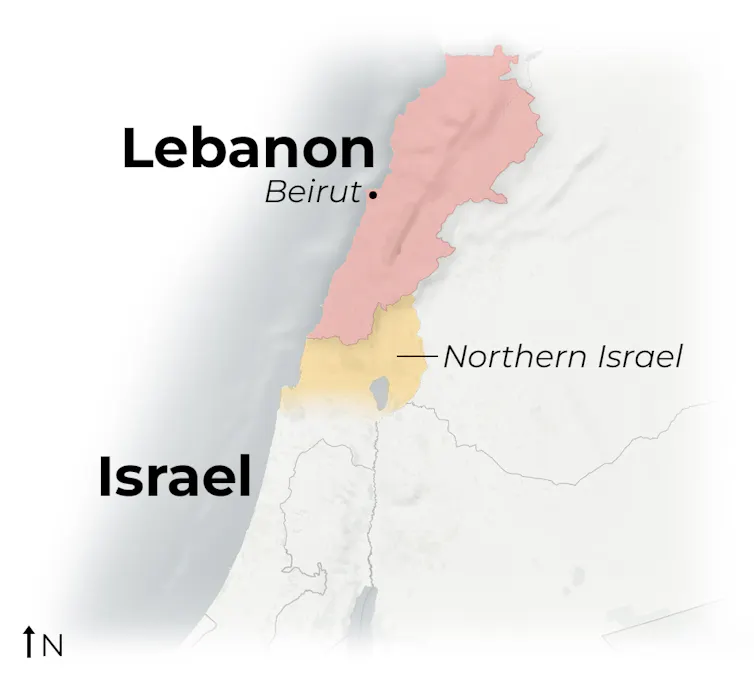
Lebanon has not been an official part of the war in the region, and is not a party to the ceasefire. So why is it so central to the conflict?
Since the Iranian revolution of 1979, the Iranian regime has funded and armed anti-Israel movements in the region including Hezbollah in Lebanon, Hamas in Gaza and the Houthis in Yemen.
Throughout its history as a nation, Israel has at times occupied and held security “buffer zones” around its territory.

While there are competing versions of the ten points, they all include conditions the US could never reasonably accept, such as leaving control of the Strait of Hormuz in Iranian hands.
Iran also insists it wants to reserve the right to enrich uranium, something that would be contrary to the stated basis for this war in the first place: Iran’s ability to develop nuclear weapons.
By declaring the conditions suddenly right for a ceasefire, Trump is stating a reality he’d like to see, rather than describing tangible changes on the ground.
In practice, the US has already ceded ground to Iran, which has indicated it is not willing to compromise on anything. While Iran’s military capability to interfere in the region may be diminished for now, the will remains.
So with the ten points as a basis of negotiation, it is hard to see a path towards lasting peace in the next fortnight. Instead the US is likely to exit, leaving behind a lot of damage, but little materially changed.
Authors: Jessica Genauer, Academic Director, Public Policy Institute, UNSW Sydney


 Hashtag.net.au
