

Shou Sugi Ban: The Ancient Technique Behind Australia's Boldest New Facades
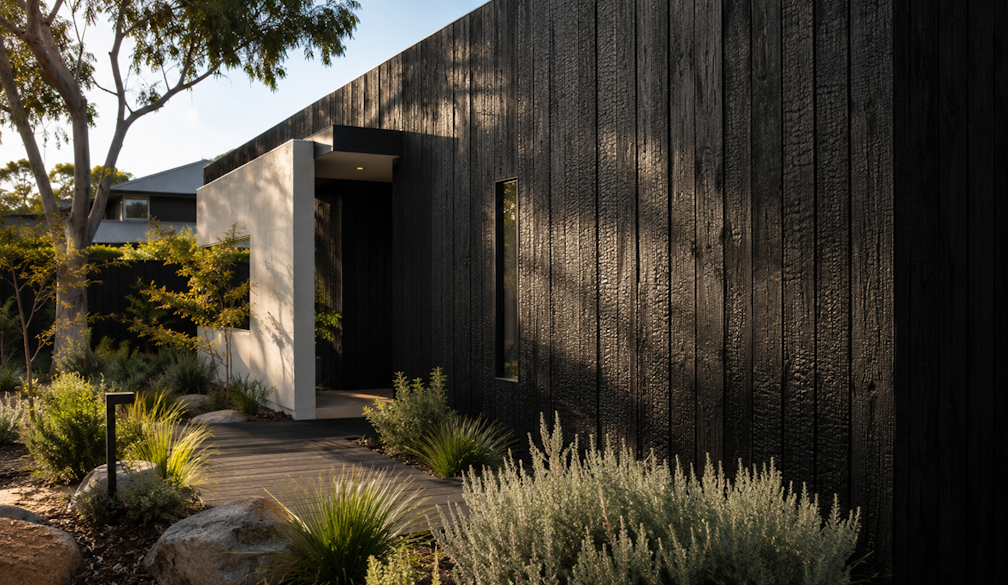
Drive through any established or newly developing suburb in Australia right now and you'll notice a growing number of homes with striking black or charcoal-toned exteriors, their timber cladding carrying a deep, almost sculptural texture that catches light in a way painted surfaces simply can't. More often than not, that finish is the result of shou sugi ban, a centuries-old Japanese timber charring technique that has found a genuinely enthusiastic audience among Australian homeowners, renovators, architects and businesses over the past several years.
What makes this trend interesting isn't just the aesthetic, though that's certainly part of the draw. Shou sugi ban's growing popularity is also rooted in genuine, practical benefits that make it a compelling choice for cladding in Australia's demanding climate. Understanding both the story and the substance behind this technique helps explain why it's moved well beyond a passing design fad.
What Shou Sugi Ban Actually Is
Shou sugi ban, sometimes referred to as yakisugi, originated in Japan as a traditional method of preserving timber by charring its surface with controlled fire. The process creates a layer of carbon on the outer surface of the board, which historically protected the timber underneath from fire, insects, rot and general weathering, all without the need for chemical treatments.
The technique has been used for centuries on traditional Japanese buildings, and its revival in contemporary architecture speaks to a broader shift toward materials that are both visually distinctive and genuinely functional, rather than purely decorative. Modern shou sugi ban cladding typically goes through a controlled charring process followed by brushing to remove loose carbon, and finishing with a natural oil to seal and enhance the timber's texture and depth.
Why It's Taken Off in Australian Design
A Distinctive Aesthetic That Doesn't Rely on Paint
Painted black cladding has been popular for years, but it comes with an ongoing maintenance burden: paint chips, fades, and eventually needs recoating. Shou sugi ban achieves a similarly dramatic dark exterior through an entirely different process, one where the colour and texture are built into the timber itself rather than applied on top of it. This gives the finish a depth and visual interest that flat paint can't replicate, with subtle variations in char intensity and grain texture visible up close.
Genuine Weather and Pest Resistance
Australia's climate is tough on exterior cladding, from intense UV exposure through to termite pressure in many regions. The charring process in shou sugi ban creates a naturally protective carbon layer that offers a genuine degree of resistance to insects, rot and weathering a meaningful practical advantage on top of the aesthetic appeal, and one that's particularly relevant for homeowners and businesses in bushfire-prone or high-humidity regions.
A Point of Difference for Architects and Designers
For architects and designers working on residential or commercial projects, shou sugi ban offers a way to create a genuinely distinctive facade without resorting to unusual or hard-to-source materials. It photographs beautifully, pairs well with contrasting light-toned materials like render or stone, and gives a project a story to tell; the technique's history and craftsmanship angle resonates with clients who want more than just a black house.
Where Shou Sugi Ban Cladding Is Being Used
Residential Facades
The most visible application is full or partial home exteriors, where charred cladding is often used as a feature element against a lighter render or brick base, or occasionally across an entire facade for a more dramatic, monolithic look. It's proving particularly popular on contemporary and Japanese-influenced architectural styles, though it works equally well against more traditional Australian home designs as a striking contrast.
Feature Walls and Fencing
Beyond full cladding applications, charred timber is increasingly used for garden fencing, freestanding feature walls, and entry statements anywhere a home or commercial property wants to introduce texture and depth without committing to a full building treatment. Anyone exploring shou sugi ban timber cladding for a smaller feature application will find it scales down just as effectively as it scales up, making it a flexible option for renovators working on a single element rather than a whole facade.
Commercial and Hospitality Fit-Outs
Cafes, restaurants and boutique retail spaces have embraced shou sugi ban for both interior and exterior applications, drawn to the way its texture and story align with a considered, design-led brand identity. It's become a recognisable shorthand for warmth combined with craftsmanship in hospitality design, a look that feels curated rather than generic.
Offices and Workplace Design
In workplace fit-outs, charred timber panelling is being used to introduce warmth and texture into spaces that might otherwise lean too heavily on glass, concrete and standard partitioning. It pairs particularly well with biophilic design principles, where the goal is to bring more natural material and texture into commercial interiors.
What to Consider Before Specifying Shou Sugi Ban
Before committing to a shou sugi ban application, a few practical factors are worth working through with your supplier or installer.
- Char depth and finish level. Lighter charring retains more visible grain and a softer texture, while deeper charring produces a more uniform, almost matte black surface with a more pronounced textural finish. This is a genuine design decision, not just a technical one.
- Species selection. Not every timber species responds to charring in the same way, and species with the right density and grain structure will produce a more consistent, longer-lasting result. Getting guidance on shou sugi ban timber cladding species options suited to your specific application is worth the conversation before finalising a spec.
- Sealing and oiling. A quality natural oil finish helps lock in the charred texture and manage weathering over time; this step shouldn't be skipped or under-specified.
- Fixing and installation. Charred cladding requires careful handling during installation to avoid damaging the surface texture, and fixing methods should account for the slightly different surface profile compared to standard timber cladding.
Maintenance: Less Than People Expect
One of the more persistent misconceptions about shou sugi ban is that the charred surface requires constant upkeep. In reality, a well-finished installation is relatively low-maintenance, needing only periodic reapplication of oil every few years depending on exposure, along with the occasional gentle clean to remove surface dust or organic build-up. It's a considerably lighter maintenance load than many homeowners initially assume, particularly compared to painted cladding that needs regular repainting to stay looking sharp.
A few points worth keeping in mind:
- North and west-facing installations will experience more UV exposure and may need slightly more frequent oil reapplication
- Light brushing off of the surface occasionally helps maintain the textured finish without disturbing the char layer underneath
- Any repairs or extensions to an existing installation should ideally use timber charred to a matching depth and finish for visual consistency
A Technique With Genuine Staying Power
Unlike many design trends that fade as quickly as they arrive, shou sugi ban has the practical substance to back up its visual appeal: genuine weather resistance, low ongoing maintenance, and a centuries-long track record that speaks to its durability as both a technique and an aesthetic choice. For homeowners, renovators, architects and businesses looking to create a facade or feature with real depth and a story behind it, shou sugi ban offers something that few other cladding options can match. As more Australian projects continue to adopt the technique, it's shaping up to be a lasting fixture in contemporary design rather than a passing moment.

 Hashtag.net.au


