

How to Break Up Pugged Soil in Grazing Paddocks
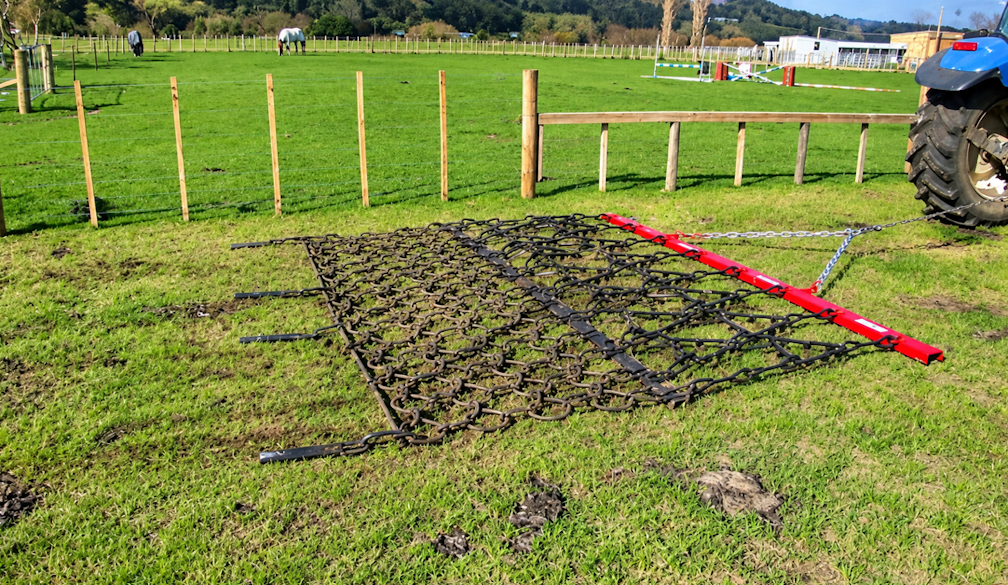
Wet winters and heavy stock can quickly turn a good paddock into a mess of hoof holes, clods and bare ground. This damage, known as pugging, happens when stock walk over soft, wet soil and push their hooves deep into the surface. Pugged paddocks grow less feed, attract weeds and are rough to drive across, but with the right timing and equipment, you can level the ground and get your pasture growing again.
What Causes Pugging in Grazing Paddocks?
Pugging happens when wet soil can’t support the weight of grazing stock. Cattle cause the most damage because of their weight, especially on saturated ground, and the damage gets worse when stock stay in the same paddock through a wet spell. Heavy soils and poor drainage add to the risk, as water sits near the surface for longer.
How Pugged Soil Affects Pasture
Damaged Grass and Bare Patches
Hooves tear and bury pasture plants and damage their roots and growing points. Some plants recover as the ground dries, but badly damaged areas often become bare patches, giving weeds space to establish.
Uneven Paddock Surface
Deep hoof marks dry into hard ridges and holes. This rough surface makes paddocks uncomfortable to drive across and difficult to prepare for resowing.
Soil Compaction
Stock traffic also squeezes soil particles together, leaving less space for air and water. A heavy harrow breaks up clods and aerates compacted soil near the surface, but deep compaction below the surface may need a ripper.
When to Work Pugged Soil
Working pugged ground while it’s still wet only causes more damage. Wait until the soil can carry your tractor and harrow without sinking or leaving deep wheel marks. How long this takes depends on your soil type, drainage and the weather.
In the meantime, move stock to a drier paddock or fence stock out of the worst areas to protect the remaining pasture. Once the ground is firm, walk the paddock and check whether the damage sits mainly on the surface or goes deeper.
How to Break Up Pugged Soil With a Harrow
Harrowing breaks up clods, levels hoof marks and spreads loose soil back into holes, giving your pasture an even surface to regrow on. Lighter harrows suit minor damage, but rougher, deeply pugged ground needs a heavier harrow with aggressive spikes.
You tow Heavy Duty Triangle Chain Harrows behind a tractor, and they handle tough conditions like these. Two rows of 20mm triangles carry rigid spikes that won’t pull back under load, so they smash through clods, manure and compacted soil. A reinforced centre bar adds weight to keep the harrow working into the surface and levels the ground as it goes. At the rear, unspiked 16mm chain sits low and spreads loose soil, leaving a smooth finish ready for pasture recovery or resowing.
Drag weights come included, and widths range from 2.5m to 4.0m. The 2.5m and 3.0m widths suit medium tractors in tough or compacted paddocks, while the 3.5m and 4.0m widths cover more ground on larger farms.
Before you start, clear rocks, logs and other obstacles from the paddock. Work at a steady speed and check the result as you go. If the spikes start damaging healthy pasture, make fewer passes.
How to Help Pasture Recover After Pugging
Keep Stock Off New Growth
Give your pasture time to regrow before you bring stock back. Grazing too early damages new shoots and undoes your repair work, so check how well the pasture has recovered instead of relying on a set number of days.
Resow Bare Patches
If bare patches remain after harrowing, resow them once the soil is in good condition. Harrowing leaves a loose, even surface ideal for sowing, so you can spread the seed and cover it with a light pass from a lighter harrow. Avoid sowing into ground that’s still wet.
Improve Paddock Drainage
If the same paddock pugs after every wet spell, look at its drainage. Harrowing repairs the surface, but it won’t stop waterlogging. Installing drains, or using a different paddock during wet weather, can solve the problem for good.
How to Prevent Pugging in Grazing Paddocks
Preventing pugging is much easier than repairing it. You can’t control the weather, but these steps reduce the risk:
- Check the ground before grazing: Keep stock off paddocks too soft to carry them.
- Move stock early: Don’t leave stock on soft ground longer than necessary.
- Set aside a wet-weather paddock: Keep stock on one well-drained or less important paddock during long wet spells to protect your best pasture.
- Watch for wet spots: Note where water collects and plan drainage work for those areas.
- Check paddocks after rain: Spot damage early, before it spreads.
Get Pugged Paddocks Back Into Shape
Pugged paddocks recover best when you give the ground time to firm up, keep stock off damaged areas and use a harrow heavy enough for the job. Level the surface, resow bare patches and fix drainage where needed, and your pasture will be in good shape for the next season.

 Hashtag.net.au


