

The Growing Focus on Communication Development in Children
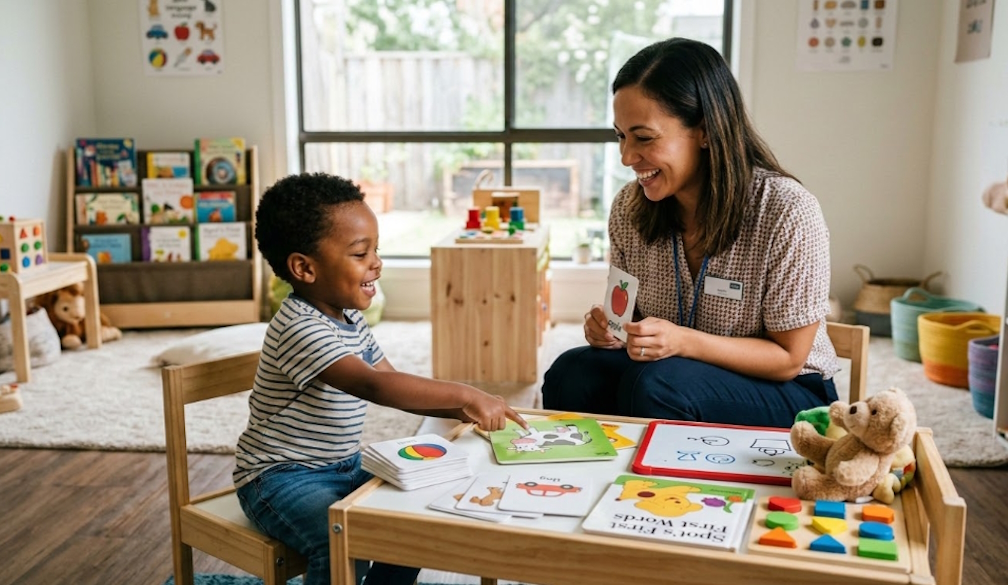
The early developmental years of a child's life represent a critical window for neurological growth, behavioural shaping, and language acquisition. During this formative phase, the ability to interpret sounds, construct sentences, and interact socially lays the fundamental groundwork for all future academic and personal success. In recent years, educators, healthcare professionals, and parents across Australia have placed a significantly sharper focus on tracking communication milestones. There is a growing collective understanding that speech and language capabilities are not merely isolated academic skills, but are deeply intertwined with a child's emotional regulation, cognitive processing, and social confidence.
When a young child struggles to articulate their thoughts or decode verbal instructions, the resulting frustration can manifest in numerous secondary challenges. Children facing unidentified communication barriers frequently experience heightened separation anxiety, sudden behavioural outbursts, and a tendency to withdraw from peer interactions in preschool settings. Without targeted structural intervention during these sensitive early years, these minor linguistic gaps can widen rapidly, ultimately impacting literacy development, reading comprehension, and classroom engagement as they transition into primary school education.
The Hidden Complexity of Childhood Communication Barriers
Childhood communication development is a highly intricate, multi-layered process that spans far beyond the simple pronunciation of individual words. It encompasses receptive language, which is the ability to understand and process spoken information, as well as expressive language, which involves the structural selection and arrangement of words to convey meaningful thoughts. Furthermore, children must master pragmatic language skills, which govern the social rules of communication, such as taking turns during a conversation and understanding conversational context.
Because these various linguistic tracks develop simultaneously, identifying the precise root cause of a developmental delay can be challenging for parents. A child who appears to be ignoring requests may not be demonstrating intentional defiance; instead, they might be struggling with a receptive language processing delay or an underlying auditory processing difficulty. Similarly, difficulties with speech clarity can stem from diverse structural, motor, or phonological factors that require highly specific diagnostic differentiation to ensure the child receives the exact support framework they need.
The Strategic Importance of Early Diagnostic Profiling
Attempting to resolve complex language or articulation challenges through casual, unstructured home practice or by adopting a passive approach can inadvertently allow developmental delays to become deeply entrenched. Achieving meaningful, long-term progress requires a precise baseline measurement of a child's current linguistic profile. Seeking a comprehensive speech assessment through a certified clinical speech pathologist allows families to uncover the exact nature of any underlying communication barriers.
A formal clinical evaluation utilises validated, age-appropriate diagnostic tools, structured behavioural observations, and interactive play-based tasks to map a child's specific strengths and developmental gaps. This detailed investigative process evaluates speech sound production, vocabulary depth, sentence structure, and comprehension accuracy against database norms. By pinpointing the exact areas of vulnerability, clinicians can demystify the child's struggles and provide families with clear, actionable insights into how their child processes the world around them.
Designing Personalised Pathways for Lifelong Success
The ultimate value of a professional diagnostic profile lies in its ability to guide the creation of highly targeted, individualised intervention programmes. Rather than relying on generic speech exercises, an experienced clinician designs custom therapeutic pathways that target the child's specific developmental vulnerabilities while actively building upon their existing natural strengths. This tailored approach keeps the intervention engaging and highly effective, preventing the child from becoming overwhelmed or discouraged during therapy sessions.
Furthermore, a comprehensive evaluation serves as an empowering resource for the child's entire support ecosystem. It provides parents, caretakers, and early childhood educators with practical, evidence-based strategies, communication adjustments, and targeted vocabulary exercises that can be seamlessly integrated into daily routines at home and in the classroom. This unified support network ensures that the child receives consistent, positive linguistic reinforcement across all environments, accelerating their progress and helping them build the critical skills needed to express themselves with complete clarity and confidence.
Prioritising structured clinical assessments safeguards your child's educational journey, preserves their emotional well-being, and establishes a secure, joyful foundation from which they can confidently explore, connect, and thrive throughout their formative years.

 Hashtag.net.au


