

Coked to the gills? Cocaine-laced wastewater can make salmon roam twice as far
- Written by Marcus Michelangeli, Lecturer, Environmental Sustainability and Management, Griffith University
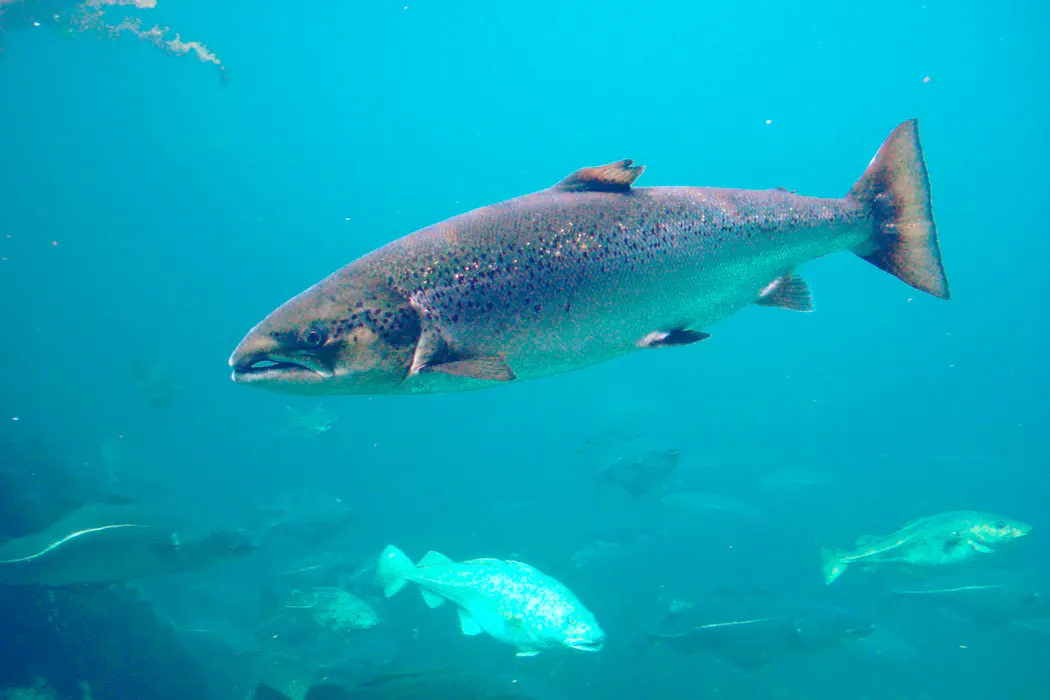
Fish or sharks on cocaine might sound like something dreamed up in a Hollywood writers’ room, but the reality is far less entertaining. Increasingly, scientists are detecting cocaine and other powerful drugs in aquatic environments, and even in the brains and bodies of wildlife.
A 2024 study from Brazil made headlines after finding cocaine in the muscles and liver of wild sharks caught off the coast of Rio de Janeiro. While this may seem surprising, it reflects a broader and growing issue: human drugs are making their way into rivers, lakes and oceans around the world.
In our new study, published today in Current Biology, we set out to understand what this means for wildlife.
Tracking ‘cocaine’ fish in the wild
We explored how environmentally relevant concentrations of cocaine affect the behaviour of fish in the wild. We also looked at the effect of a chemical called benzoylecgonine, which is the main thing left over after our bodies break down cocaine.
To do this, we conducted an experiment in Lake Vättern in Sweden, the country’s second largest lake, where we tracked juvenile Atlantic salmon over eight weeks.
Using slow-release chemical implants, we exposed fish to either cocaine or benzoylecgonine, then followed their movements using acoustic telemetry. This allowed us to monitor how fish behaved in a natural environment, rather than in laboratory tanks.
What we found was striking. Fish exposed to benzoylecgonine swam up to 1.9 times farther per week than unexposed fish and dispersed up to 12.3 kilometres farther across the lake. Fish exposed to cocaine showed a similar pattern, but the effect was weaker and less consistent.
From wastewater to waterways
So how do these substances end up in aquatic environments?
After cocaine is consumed, the body rapidly breaks it down, mainly into benzoylecgonine. Chemicals such as this – leftovers from the body’s use of a different substance – are called metabolites. Both the original drug and the metabolite are excreted and enter wastewater systems.
However, wastewater treatment plants are not designed to fully remove these compounds, meaning they pass through treatment and are discharged into rivers, lakes and coastal waters.
This is not a localised issue. Cocaine is now one of the most detected illicit drugs in aquatic environments worldwide.
A global analysis found average surface water concentrations of about 105 nanograms per litre for cocaine and 257 nanograms per litre for benzoylecgonine, with maximum concentrations reaching into the thousands of nanograms. While these levels are low, they remain a concern because the compounds target brain systems shared across many animals, meaning even small amounts have the potential to affect wildlife.
Why behaviour matters
Changes in behaviour are often one of the earliest and most sensitive indicators that something in the environment is affecting wildlife. These changes can affect everything from how animals find food and avoid predators to how they interact, reproduce and survive.
When contaminants alter behaviour, they can have ripple effects that extend well beyond the individual. Small shifts in how animals move, feed or respond to threats can scale up to influence the dynamics of whole populations, interactions between species, and the way entire ecosystems work.
The changes we saw in how fish move through their environment after cocaine exposure could mean they use more energy, enter poorer-quality habitats, or expose themselves to greater predation risk.
For species such as Atlantic salmon, which are already under pressure from climate change, habitat loss and other pollutants, even subtle behavioural disruptions could add to the challenges they face.
Why the metabolite matters
One of the most surprising findings from our study was that benzoylecgonine had a stronger effect on fish behaviour than cocaine itself. This is important because environmental risk assessments typically focus on the substances humans put into themselves, such as cocaine, rather than the chemicals they put out afterwards, such as benzoylecgonine.
These metabolites are often more abundant and persistent in waterways. Our results suggest we may be underestimating the ecological risks of these pollutants.
Our study focused on behaviour, not long-term health outcomes. We have not yet tested whether these changes affect survival or reproduction.
However, previous research shows cocaine and related compounds can alter brain chemistry, increase oxidative stress, and disrupt energy metabolism in aquatic animals. These processes are closely linked to health and fitness, suggesting the potential for broader impacts.
The idea of “fish on cocaine” may grab attention, but it points to a much bigger issue. Aquatic environments are increasingly contaminated with complex mixtures of human-derived chemicals, from pharmaceuticals to illicit drugs. Many of these substances are biologically active at very low concentrations, and we are only just beginning to understand their effects.
Authors: Marcus Michelangeli, Lecturer, Environmental Sustainability and Management, Griffith University


 Hashtag.net.au
