

Exploring the Availability and Advantages of Stainless Steel in Australia
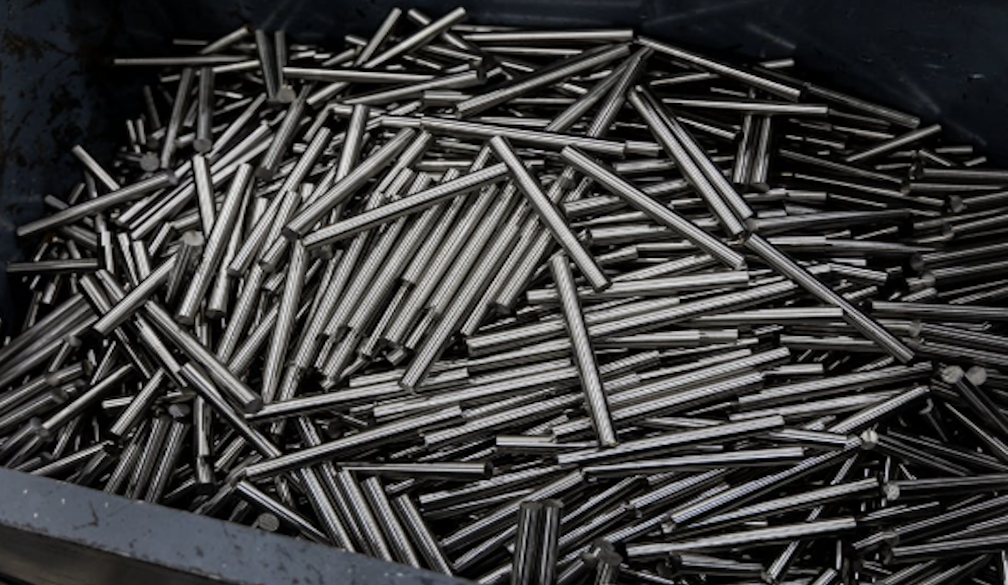
In the dynamic world of metallurgy, stainless steel has established itself as a versatile and essential material for various industries. Offering a combination of strength, durability, and resistance to corrosion, it is no wonder that the demand for Stainless steel for sale in Australia continues to grow. This article delves into the landscape of stainless steel availability in Australia, its diverse applications, and why it is a preferred choice for many.
The Evolution and Composition of Stainless Steel
Stainless steel first emerged in the early 20th century, marking a significant advancement in material science. Its unique properties arise from a mix of iron, chromium, and other elements like nickel and molybdenum. Chromium provides stainless steel with its famous resistance to rust and tarnish, a trait that suits Australia's varied climate. Nickel and molybdenum contribute to its robustness and flexibility, expanding its use across different sectors.
Australia's geological richness allows for the local production of some of the raw materials needed to fabricate stainless steel, leading to a well-supported domestic market. This accessibility has enabled the development and distribution of various stainless steel grades tailored for specific applications ranging from construction to chemical processing.
Industrial Applications and Sustainability
Stainless steel's adaptability makes it a staple across multiple industries in Australia. The construction sector benefits immensely from its structural applications, using it in everything from skyscrapers to simple residential fixtures. Its aesthetic appeal and durability ensure longevity, reducing the need for frequent replacements or repairs.
In the medical industry, stainless steel's hypoallergenic properties deem it suitable for surgical instruments and implants. The food and beverage sector utilises it extensively due to its sanitary benefits, ensuring that the quality of consumables is not compromised during production.
Moreover, stainless steel's sustainability is increasingly recognised. It is fully recyclable, with new production often incorporating reclaimed materials. This eco-friendly characteristic aligns well with global efforts to reduce carbon footprints and support sustainable development efforts.
Stainless Steel Market Dynamics in Australia
The market for stainless steel in Australia is robust and competitive, characterised by several suppliers and distributors responding to both domestic and international demands. The diversity of stainless steel products available ranges from sheets and coils to tubes and fittings, serving a host of customer needs, from small businesses to large enterprises.
With global supply chains becoming more intricate, Australian firms have turned to local sourcing to minimise disruptions and maintain steady inventory levels. This strategy has proved effective in reducing lead times and bolstering the reliability of supply, a critical consideration for industries relying on stainless steel components.
Challenges and Innovations
Despite its extensive benefits, the stainless steel industry faces challenges, including fluctuating raw material prices and environmental regulations. Yet, these challenges also usher in opportunities for innovation. Research and development in creating cost-effective production methods and novel alloys catering to specific needs continue to drive the industry forward.
Innovations such as advanced surface treatments and laser-infused marking techniques improve the functionality and aesthetics of stainless steel products, enhancing their appeal across diverse applications.
The Future of Stainless Steel in Australia
Looking towards the future, the stainless steel industry in Australia is poised for growth. As technological advancements progress, new alloys and production techniques will emerge, offering even greater capabilities. The push for infrastructure development, coupled with an emphasis on sustainable practices, will likely increase demand.
As industries evolve, so do their needs for specialised materials. Stainless steel, with its proven reliability and adaptability, remains highly relevant. In particular, the push for urbanisation and green technologies will ensure its continued relevance.
In summary, understanding the availability and versatile applications of stainless steel within Australia paints a picture of a resilient and forward-moving sector. Economic and environmental factors continue to shape its growth, ensuring that, regardless of challenges, the industry will innovate and adapt to meet future demands. Whether for stainless steel giants or emerging start-ups, the quest to harness the full potential of this remarkable metal is a journey worth following in the coming years.

 Hashtag.net.au


