

Speeding is more common among people regularly exposed to content encouraging speeding
- Written by Kayla Stefanidis, Research Fellow, University of the Sunshine Coast

Speeding is more common among people regularly exposed to material encouraging speeding, our new study suggests.
Our research, published in the journal Traffic Injury Prevention, found self-reported exposure to content promoting or encouraging speeding on social media and mass media (e.g., movies, television or gaming) was higher in speeders compared to non-speeders.
Speeders also believed their friends more frequently engaged in speeding.
Speeding is a major road safety problem that contributes to many injuries and fatalities in Australia.
So it’s important to examine factors that may encourage speeding and contribute to making it socially acceptable.
Read more: Speeding drivers keep breaking the law even after fines and crashes: new research
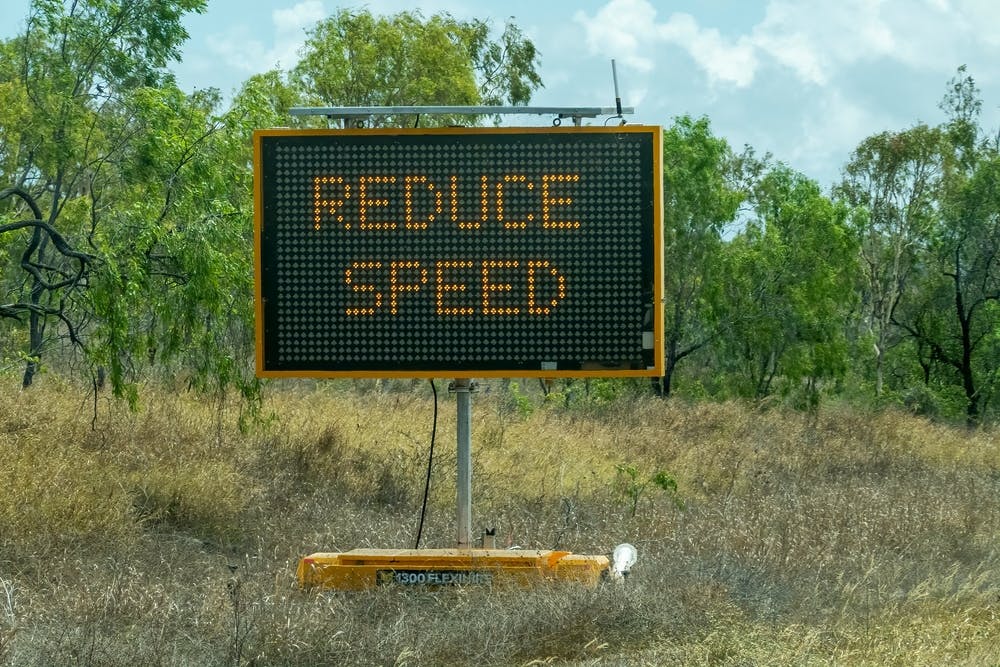
Self-reported exposure levels significantly higher in speeders
For our study, a total of 628 Queensland motorists (263 men and 365 women aged between 17 and 88 years) completed an online anonymous survey.
The survey included questions about:
their own speeding behaviour (specifically, how often they exceed the speed limit by more than 10km/h)
how often they believe they saw content on social media and mass media (such as TV, movies or gaming) encouraging or promoting speeding
how often they thought their friends exceeded the speed limit.
Overall, the study found:
half of the sample admitted they exceeded the speed limit more than 10% of the time they drive
on average, participants believed they came across social media content encouraging speeding behaviour 29% of the time while using social media
on average, they believed they came across mass media content encouraging speeding behaviour 40% of the time
on average, they believed their friends exceeded the speed limit 39% of the time
self-reported exposure levels across all these sources (mass media, social media and friends) were significantly higher in speeders than non-speeders.
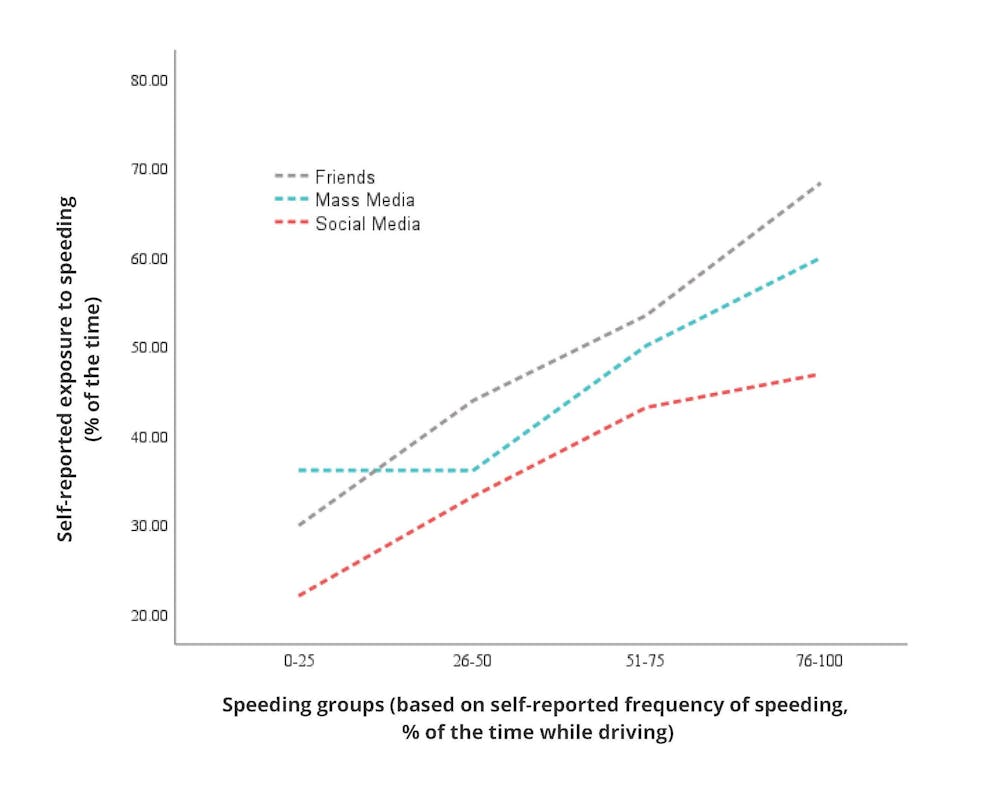 We split the sample into quartiles, based on how often they reported exceeding the speed limit. This demonstrated increasing exposure corresponded with increasing frequency of speeding behaviour.
Author provided
We split the sample into quartiles, based on how often they reported exceeding the speed limit. This demonstrated increasing exposure corresponded with increasing frequency of speeding behaviour.
Author provided
Read more: Caught red-handed: automatic cameras will spot mobile-using motorists, but at what cost?
Unpacking the link between what we see and how we act
Our findings suggest many people believe they are regularly exposed to pro-speeding content online or via friends, and this might increase their risk of speeding in the real world.
The findings are consistent with studies showing social media, mass media and one’s peers can all influence subsequent risk-taking behaviour.
Nevertheless, further research is needed. We are yet to clarify whether increasing exposure to this kind of content directly increases the propensity to speed. Conversely, it could be that people who engage in speeding seek out pro-speeding material because they like it, or notice it more than others because they’re more attuned to it.
We also need to determine if people’s estimations of how often they’re exposed to such images are accurate.
For example, the respondents’ estimation of pro-speeding messages was extremely high, which raises questions about whether some individuals are more sensitive to online content that reinforces pre-existing attitudes or behaviour.
In other words, they might be more likely to notice, process and remember speeding messages, simply because they have favourable attitudes towards speeding or regularly engage in it.
There is clearly a need for future research to examine the impact of online messaging on our attitudes and behaviour. This could help determine how what we see on TV, hear from friends and consume on social media relates to real world driving behaviour.
 On average, participants believed they came across mass media content (such as via television or gaming) encouraging speeding behaviour 40% of the time.
Shutterstock
On average, participants believed they came across mass media content (such as via television or gaming) encouraging speeding behaviour 40% of the time.
Shutterstock
Authors: Kayla Stefanidis, Research Fellow, University of the Sunshine Coast

 Hashtag.net.au
