

how what we do on land may shape shark behaviour
- Written by Shokoofeh Shamsi, Professor in Veterinary Parasitology, Charles Sturt University
Beachgoers in Australia are on high alert following four shark incidents in New South Wales in 48 hours.
On Tuesday morning, a surfer was bitten by a shark at Point Plumer, on the state’s mid-north coast. He was taken to hospital with minor injuries to one of his legs.
This came after a man was bitten by a shark on Monday evening, while surfing at Manly, on Sydney’s northern beaches. He suffered major wounds to his leg and was rushed to Royal North Shore hospital in a critical condition.
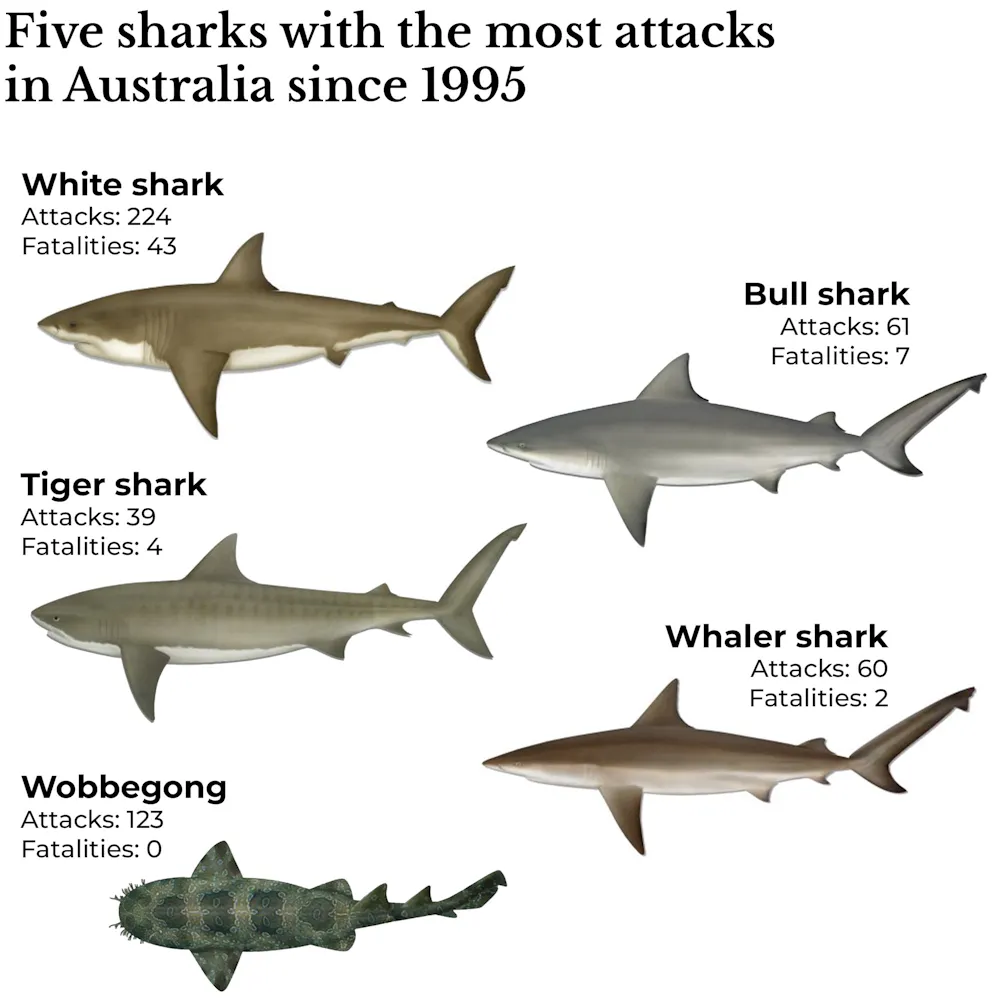
Only a few hours earlier, a shark knocked an 11-year-old boy into the water at Dee Why – just north of Manly – and bit a chunk out of his surfboard. And on Sunday afternoon, a 12-year-old boy was bitten by what authorities believe was a bull shark while swimming at a popular beach in Sydney Harbour. He is still in a critical condition in hospital.
It can be tempting to blame these incidents on sharks alone. But there’s emerging evidence the pollutants, pesticides and parasites we send into the ocean from land could shape not just where and when sharks and people cross paths – but also shark behaviour.
Recognising this bigger picture helps shift the focus from blaming sharks to addressing human impacts, supporting smarter policies that protect both public safety and ocean health.
Authors: Shokoofeh Shamsi, Professor in Veterinary Parasitology, Charles Sturt University


 Hashtag.net.au
