

Electronic Design Companies Driving Innovation In Modern Technology
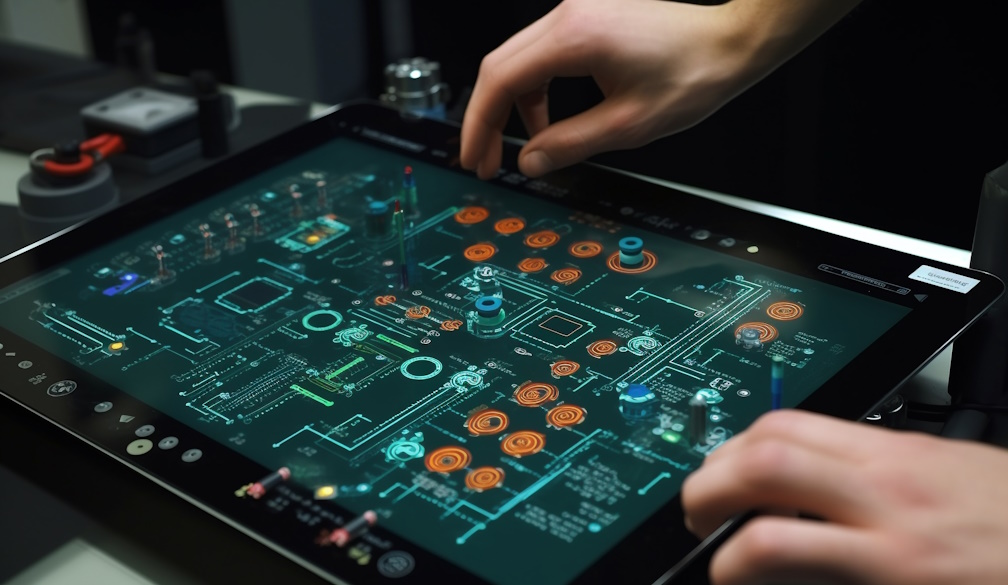
In a world where devices shrink while capabilities expand, the role of electronic design companies has become more vital than ever. These companies act like quiet architects behind the scenes, shaping the intelligence inside everyday products, from industrial systems to consumer electronics. Their work blends creativity with precision, turning abstract ideas into tangible, functioning technology that powers industries forward.
As designs grow more complex, the reliance on advanced tools becomes unavoidable. This is where electronic design software enters the picture, acting as the digital workshop where engineers test, refine, and perfect their concepts before they ever reach production. These tools allow for simulations, prototyping, and optimisation, ensuring that every circuit and component performs exactly as intended.
In regions with strong technological ecosystems, such as Australia, electronic engineering companies Melbourne have carved a niche for delivering specialised solutions across industries. From medical devices to automation systems, these companies combine local expertise with global standards, creating solutions that are both innovative and reliable.
The Role Of Electronic Design In Product Development
Electronic design is the backbone of modern product development. It determines how devices function, communicate, and interact with users. Without proper design, even the most promising ideas can fail to deliver expected results.
Design companies focus on creating efficient circuits, selecting appropriate components, and ensuring seamless integration between hardware and software. This process requires a deep understanding of both engineering principles and real-world applications.
By carefully planning each stage of development, electronic design companies help reduce errors, improve performance, and ensure that products meet industry standards.
How Software Tools Transform The Design Process
The evolution of electronic design software has revolutionised the way engineers approach their work. These tools provide a virtual environment where ideas can be tested and refined before physical prototypes are created.
Simulation features allow engineers to identify potential issues early in the process, saving time and resources. Design software also enables collaboration, allowing teams to work together seamlessly, even across different locations.
With advanced capabilities such as 3D modelling and real-time analysis, these tools have become indispensable in modern engineering. They not only enhance accuracy but also accelerate the overall development cycle.
Why Businesses Rely On Professional Design Companies
For businesses, developing electronic products in-house can be challenging and resource-intensive. Partnering with professional design companies offers access to specialised expertise and advanced tools.
These companies bring experience from working on diverse projects, enabling them to provide innovative solutions tailored to specific needs. They also ensure compliance with industry standards and regulations, reducing the risk of delays or complications.
Outsourcing electronic design allows businesses to focus on their core operations while benefiting from high-quality engineering solutions. This approach often leads to better outcomes and faster time-to-market.
Custom Solutions For Diverse Industries
Electronic design is not limited to a single industry. It plays a crucial role in sectors such as healthcare, automotive, telecommunications, and manufacturing. Each industry has unique requirements, and design companies adapt their approach accordingly.
For example, medical devices require high precision and strict compliance with safety standards, while industrial systems may prioritise durability and efficiency. Electronic design companies tailor their solutions to meet these specific demands.
This adaptability ensures that products are not only functional but also optimised for their intended applications.
The Importance Of Prototyping And Testing
Prototyping is a critical step in the design process. It allows engineers to create a physical model of the product and test its performance under real-world conditions.
Testing helps identify any issues that may not have been apparent during the design phase. This includes factors such as heat management, signal integrity, and overall reliability.
By addressing these challenges early, design companies ensure that the final product meets quality standards and performs as expected. This reduces the likelihood of costly revisions or failures after production.
Innovation Through Collaboration
Collaboration is a key driver of innovation in electronic design. Engineers, designers, and clients work together to refine ideas and develop solutions that meet specific requirements.
This collaborative approach fosters creativity and ensures that all aspects of the project are considered. It also allows for continuous feedback, leading to improvements throughout the development process.
By combining different perspectives and expertise, electronic design companies create solutions that are both innovative and practical.
Adapting To Rapid Technological Changes
Technology evolves at a rapid pace, and electronic design companies must keep up with these changes to remain competitive. This involves staying updated on the latest tools, materials, and industry trends.
Emerging technologies such as the Internet of Things (IoT), artificial intelligence, and automation are reshaping the landscape of electronic design. Companies that embrace these advancements are better positioned to deliver cutting-edge solutions.
Continuous learning and adaptation are essential for staying ahead in this dynamic field.
Ensuring Quality And Reliability
Quality and reliability are critical factors in electronic design. A poorly designed product can lead to malfunctions, safety issues, and damage to a company’s reputation.
Design companies implement rigorous quality control measures to ensure that every component and system meets the required standards. This includes thorough testing, validation, and documentation.
By prioritising quality, they deliver products that perform consistently and meet customer expectations.
Shaping The Future Of Technology
Electronic design companies play a pivotal role in shaping the future of technology. Their work influences how devices function, how industries operate, and how people interact with technology in their daily lives.
With the support of advanced software and skilled engineers, these companies continue to push the boundaries of innovation. They transform ideas into reality, creating solutions that drive progress and improve efficiency.
As technology continues to evolve, the importance of electronic design will only grow, making these companies an essential part of the modern world.

 Hashtag.net.au


