

10 ways to get the most out of silent reading in schools
- Written by Margaret Kristin Merga, Senior Lecturer in Education, Edith Cowan University
Reading aloud can help young children learn about new words and how to sound them. There’s great value too in providing opportunities for children to enjoy regular silent reading, which is sustained reading of materials they select for pleasure.
But not all schools consistently offer this opportunity for all of their students. We regularly hear from teachers and teacher librarians who are concerned about the state of silent reading in schools.
Read more: Read aloud to your children to boost their vocabulary
They’re worried students don’t have enough opportunity to enjoy sustained reading in school. This is important, as many children do not read at home.
For some young people, silent reading at school is the only reading for pleasure they experience.
Silent reading silenced
Research suggests silent reading opportunities at school are often cancelled and may dwindle as students move through the years of schooling.
Where silent reading opportunities still exist, we’re often told that the way it is being implemented is not reflective of best practice. This can make the experience less useful for students and even unpleasant.
Yet regular reading can improve a student’s reading achievement. Reading books, and fiction books in particular, can improve their reading and literacy skills.
Opportunity matters too, as the amount we read determines the benefits we get from reading. Regular reading can help with other subjects, such as maths.
So, what should silent reading look like?
 Silent reading in school should be fun.
Shutterstock/wavebreakmedia
Silent reading in school should be fun.
Shutterstock/wavebreakmedia
Here are ten important things we need to do to make the most of silent reading in our schools.
1. Enjoyment is the focus
Enjoyment of reading is associated with both reading achievement and regular reading.
If we want young people to choose to read more to experience the benefits of reading, then silent reading needs to be about pleasure and not just testing.
2. Students choose the books
Young people should not be prevented from choosing popular or high-interest books that are deemed too challenging. Books that are a bit too hard could motivate students to higher levels of achievement.
Students have reported enjoying and even being inspired by reading books that were challenging for them, such as J.R.R. Tolkein’s The Lord of the Rings.
Silent reading of text books or required course materials should not be confused with silent reading for pleasure.
3. The space is right
Like adults, children may struggle to read in a noisy or uncomfortable space.
Schools need to provide space that is comfortable for students to enjoy their silent reading.
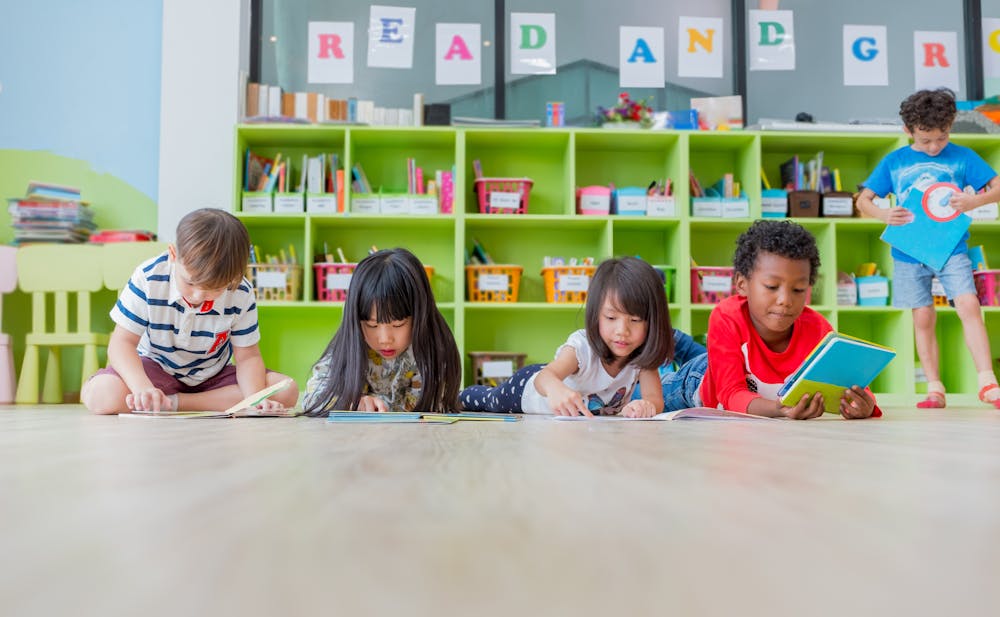 Children need space to enjoy silent reading.
Shutterstock/weedezign
Children need space to enjoy silent reading.
Shutterstock/weedezign
4. Opportunities to chat (before or after)
Discussion about books can give students recommendations about other books and even enhance reading comprehension.
But silent reading should be silent so all students can focus on reading.
5. Inspired by keen readers
If students see their teachers and teacher librarians as keen readers this can play a powerful role in encouraging avid and sustained reading.
School principals can also be powerful reading models, with their support of silent reading shaping school culture.
6. Students have access to a library
Even when schools have libraries the research shows students may be given less access to them during class time as they move through the years of schooling.
Not all students are given class time to select reading materials from the library.
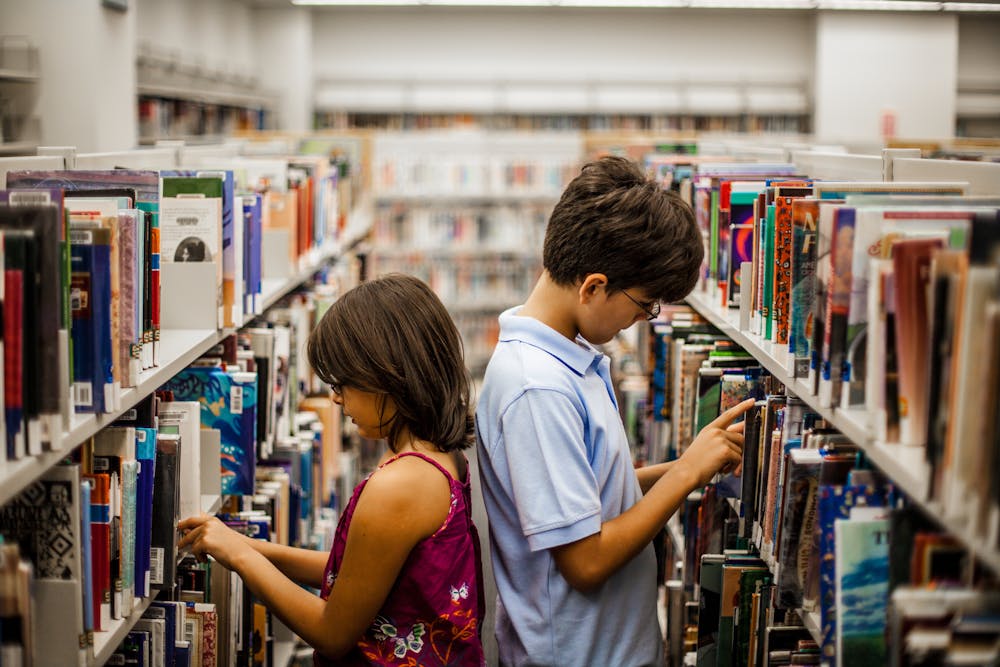 All students should be encouraged to access the school library.
Shutterstock/mattomedia Werbeagentur
All students should be encouraged to access the school library.
Shutterstock/mattomedia Werbeagentur
7. It happens often
This is particularly important for struggling readers who may find it hard to remember what they are reading if opportunities for silent reading are infrequent.
These students may also find it difficult to get absorbed in a book if time to read is too brief.
8. Paper books are available
Reading comprehension is typically stronger when reading on paper rather than a screen.
Screen-based book reading is not preferred by most young people, and can be associated with infrequent reading. Students can find reading on devices distracting.
9. There is a school library and a teacher librarian
Teacher librarians can be particularly important in engaging struggling readers beyond the early years of schooling. They may find it hard to find a book that interests them but which is also not too hard to read.
Librarians are also good at matching students with books based on movies they like, or computer games they enjoy.
10. We need to make the school culture a reading culture
Reading engagement is typically neglected in plans to foster reading achievement in Australian schools.
Practices such as silent reading should feature in the literacy planning documents of all schools.
Allowing students to read for pleasure at school is a big step toward turning our school cultures into reading cultures. Students need opportunities to read, as regular reading can both build and sustain literacy skills.
 Reading should be part of the culture of a school.
Shutterstock/wavebreakmedia
Reading should be part of the culture of a school.
Shutterstock/wavebreakmedia
Read more: There's a reason your child wants to read the same book over and over again
Unfortunately, literacy skills can begin to slide if reading is not maintained.
We need people to continue to read beyond the point of learning to read independently, though research suggests this message may not be received by all young people.
Where children do understand reading is important, they may be nearly twice as likely to read every day. So silent reading is important enough to be a regular part of our school day.
This article was co-authored by Claire Gibson, a librarian who’s studying a master in education by research at Edith Cowan University.
Authors: Margaret Kristin Merga, Senior Lecturer in Education, Edith Cowan University
Read more http://theconversation.com/10-ways-to-get-the-most-out-of-silent-reading-in-schools-123531


 Hashtag.net.au
