

Crowded trains? Planning focus on cars misses new apartment impacts
- Written by Chris De Gruyter, Vice-Chancellor's Research Fellow, RMIT University
Wondering why you can’t get a seat on the train? Perhaps it’s because we don’t actually know how many extra people will use public transport when new building developments are planned. As a result, you’re probably in for a bit of a crush.
A traffic impact assessment is usually required when planning a major building development in Australia. This is supposed to assess the impacts of the development on the movement of people and goods. But, in practice, these assessments mainly focus on the movement of cars.
However, car trips are often in the minority when developments have good access to walking, cycling and public transport networks. Trip generation surveys at apartment buildings in inner Melbourne show cars account for only 30-40% of all trips.
Read more: Nightingale's sustainability song falls on deaf ears as car-centric planning rules hold sway
Despite this shift away from cars, current planning guidelines in Australia fall short when it comes to planning for other modes of transport associated with new development. Little or no quantitative assessment of trips by walking, cycling and public transport is required.
Planning focus is still on cars
Planning for new development in Australia does very little to adequately support public transport, walking and cycling. Investment is geared towards roads at the expense of more sustainable forms of transport.
There is a lack of data on walking, cycling and public transport trips generated by land use developments. Unfortunately, greater resources are required to collect this data as we need to ask people about their travel, rather than simply count cars.
A review of more than 150 trip generation studies conducted worldwide since 1982 found nearly all of these counted car trips from land use developments. Much fewer measured public transport, walking or bicycle trips. Fortunately, though, this situation has been changing over the last 10 years.
 Measurement of travel by transport mode at building developments.
De Gruyter (2019)
Measurement of travel by transport mode at building developments.
De Gruyter (2019)
Read more: Cycling and walking are short-changed when it comes to transport funding in Australia
Good practice properly considers all transport
So why is so much focus on the car in traffic impact assessments for such developments? Good practice has long recognised the importance of considering all forms of transport.
Good practice shifts the emphasis from assessing traffic impacts to assessing transport impacts. It recognises that most land use developments generate demand for all forms of transport.
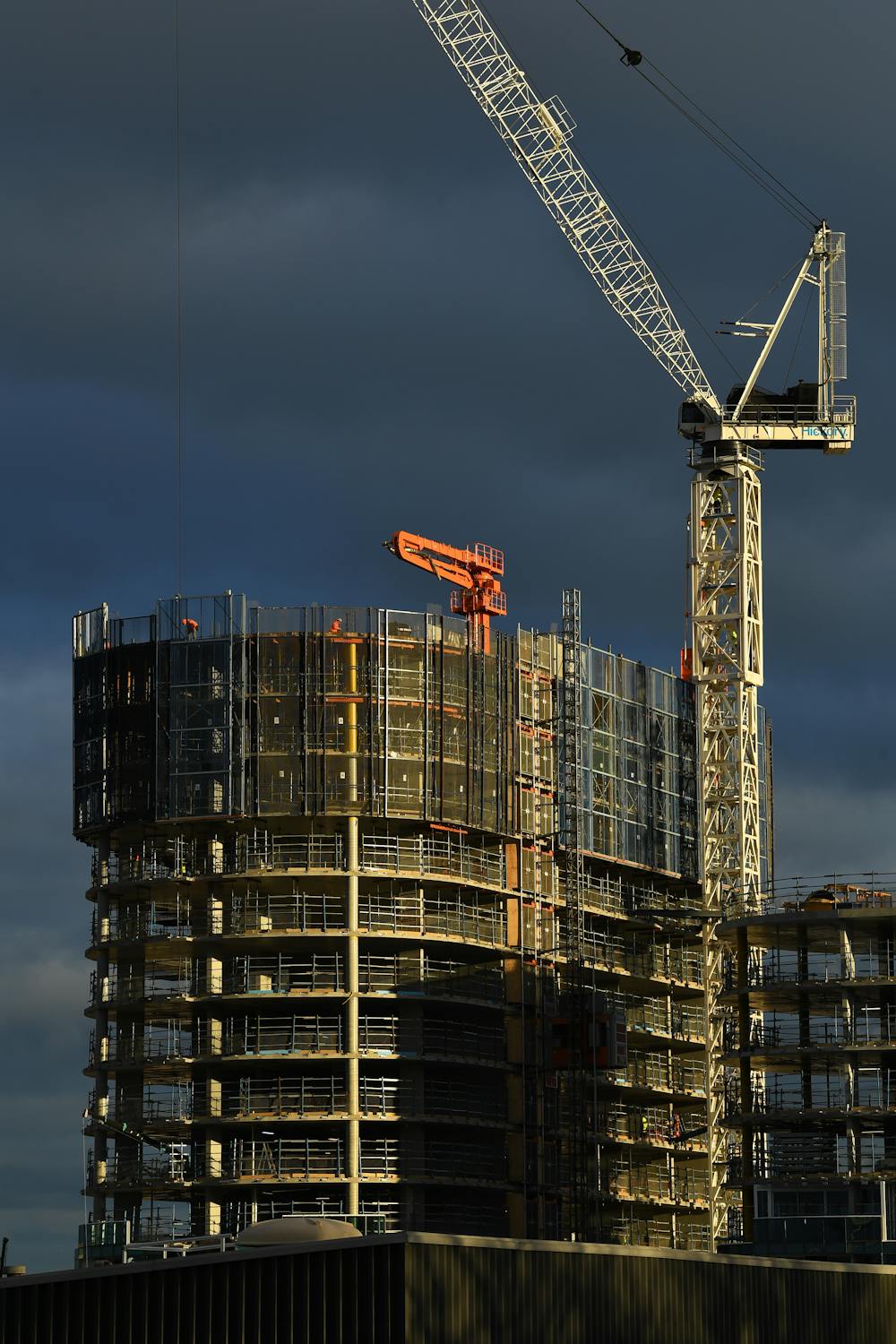 When new apartments go up, planning assessments should consider how many public transport, walking, cycling and vehicle trips these developments generate.
James Ross/AAP
When new apartments go up, planning assessments should consider how many public transport, walking, cycling and vehicle trips these developments generate.
James Ross/AAP
In the UK, recommended practice is to quantify the number of trips a proposed development is expected to generate for each transport mode, not just the car. These numbers can then be compared against the actual capacity of public transport, walking, cycling and road networks. A comprehensive database, with trip data from more than 2,000 developments, supports this process.
Once we know how many public transport, walking, cycling and vehicle trips a development is likely to generate, we can then actively plan for these modes of travel.
For example, will the public transport network have enough capacity to cope with the extra demand? Will new services be required? Will footpaths need to be upgraded? What infrastructure is available for cycling and is this sufficient? Will the extra demand for car trips need to be managed?
Without quantifying the expected number of trips by each transport mode, it’s not possible to answer such questions. We can’t properly manage what we can’t measure.
Read more: Rethinking traffic congestion to make our cities more like the places we want them to be
So how can we do better?
Practice in Australian traffic impact assessments needs to shift towards a multimodal transport focus. Being able to quantify the expected number of trips from a development, by each transport mode, will go a long way to giving more sustainable forms of transport the attention they need.
Sure, collecting data on walking, cycling and public transport trips is more resource-intensive and costs more. But without this data the long-term cost to society is greater.
Recent efforts have integrated the UK and Australasian trip databases, but this needs more data on non-car modes for Australia.
Australian state and national guidelines on traffic impact assessments also need to change. This will far better support practitioners in assessing the real transport impacts of proposed building developments.
Above all, we need to picture what type of future we want for our cities. Do we want a future dominated by the car? Or do we want to prioritise liveability in cities where walking, cycling and public transport are real options?
Read more: This is what our cities need to do to be truly liveable for all
Once built, developments typically remain in place for a very long time. It’s therefore important that traffic impact assessments can influence the development of our transport systems in the right manner.
Properly considering all modes of transport will allow us to plan more effectively for walking, cycling and public transport. This will help to reduce our reliance on the car and enhance the liveability of our cities.
Authors: Chris De Gruyter, Vice-Chancellor's Research Fellow, RMIT University
Read more http://theconversation.com/crowded-trains-planning-focus-on-cars-misses-new-apartment-impacts-116514

 Hashtag.net.au
