

Some schools have stopped running camps as costs rise. What can we do instead?
- Written by Brendon Hyndman, Associate Professor of Education, Charles Sturt University
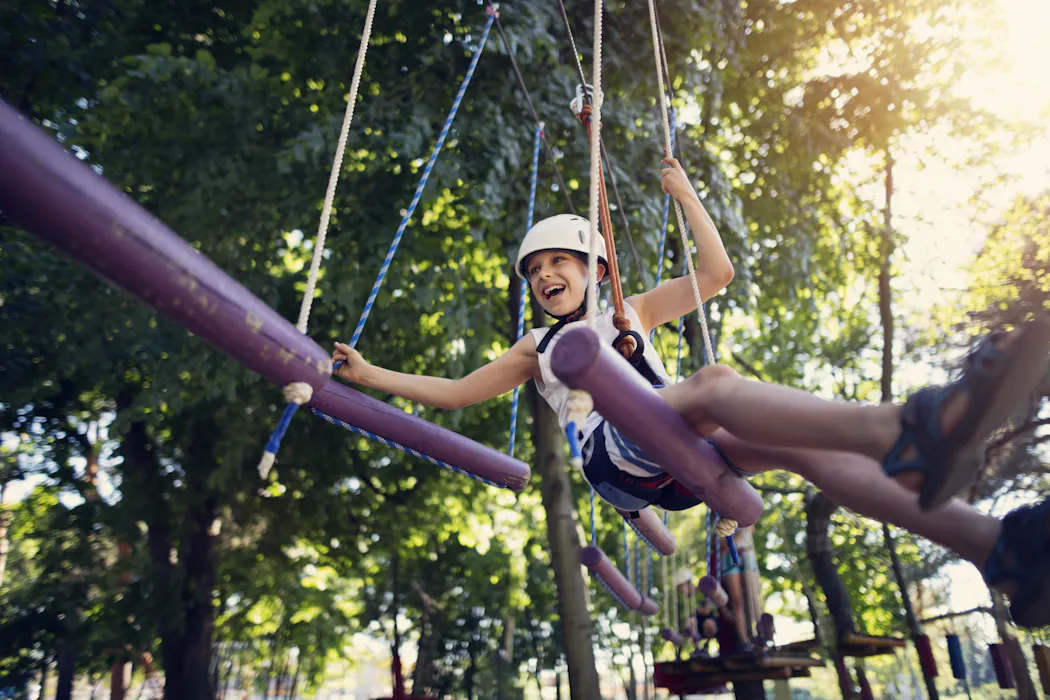
School camps have long been a rite of passage for many Australian students in both primary and high school.
Typically, camps begin in primary school and continue into the secondary years, ranging from a single overnight stay to several days away.
But the school is camp is under threat. Some schools have stopped running them due to the costs and the need to compensate teachers for extra work hours. As the Herald Sun reports, some schools are cancelling camps altogether or reducing the time away.
Why are camps important? If we can’t afford the traditional version, what can schools do instead?
Camps are more than a night or two away
School camps are not simply a break from normal classes. Their value comes from creating a different kind of learning environment.
This might include travelling away from their local area, looking after their own belongings, and taking part in activities such as bushwalking, canoeing, camp cooking, ropes courses or team problem-solving tasks.
A 2021 review of the research found outdoor education programs can help build confidence and self-belief, including students’ sense that they can successfully deal with challenges.
Studies of outdoor learning have also linked these experiences with improved wellbeing and communication skills.
The Australian Curriculum also highlights the role of outdoor learning in developing self-reliance, leadership and decision making.
Part of the reason is the environment camps create. Students are away from their familiar routines and social roles.
They often have to organise themselves, learn from mistakes, solve problems with classmates and take risks.
In primary school, camp can often be the first time a child is away from their family for the night.
Different dynamics
Outdoor environments tend to change the social dynamics of school life. Students may need to rely on and connect with one another more than they might during a normal school day. This can strengthen friendships, and help students see different sides of their classmates.
Camps give different students an opportunity to shine. For example, students who may not usually stand out in academic tests or competitive sport can sometimes shine in a team challenge, bushwalk or navigation activity.
The research is not perfectly uniform, however. Camp outcomes depend on how programs are designed and supported.
What schools could do instead?
So, what happens if schools can no longer manage traditional multi-day camps?
The key question may be less about preserving the exact camp format and more about preserving the ingredients that make camps valuable. The research suggests these are time outdoors, challenges, teamwork, independence and learning in unfamiliar settings.
Evidence shows these benefits are not limited to one-off camps and can also emerge through regular outdoor experiences built into the school year.
There are several ways schools might try to keep some of these benefits while reducing costs.
Local outdoor learning
Schools can organise days in nearby parks, bushland or environmental centres rather than travelling long distances. Research on nature-based learning suggests these settings can still support wellbeing, engagement and collaboration.
Spread outdoor learning across the year
Another approach is to spread outdoor learning across the year, replacing one expensive camp with several smaller experiences that still involve challenge, teamwork and shared responsibility. For example, this could include a day program at a local ropes course, environmental centre or outdoor education site.
Shorter programs
Schools might also experiment with shorter camp-style formats, such as one-night local camps or extended outdoor programs run on school grounds, where students might take part in activities such as team challenges, outdoor cooking, navigation tasks or evening reflection sessions.
Can governments do more?
Some governments also provide targeted support to help families access camps and excursions. For example, South Australian Premier Peter Malinauskas has pledged free Year 7 camps for public schools.
But the bigger issue may not be whether schools can preserve camps exactly as they once ran them. It is whether students still get the kinds of experiences camps provide: opportunities for challenge, independence, friendship and growth when they step outside their everyday routines.
Read more: Is your child anxious about going on school camp? Here are 4 ways to prepare
Authors: Brendon Hyndman, Associate Professor of Education, Charles Sturt University


 Hashtag.net.au
