

Planning Industrial Automation and Electrical Systems for Melbourne Businesses
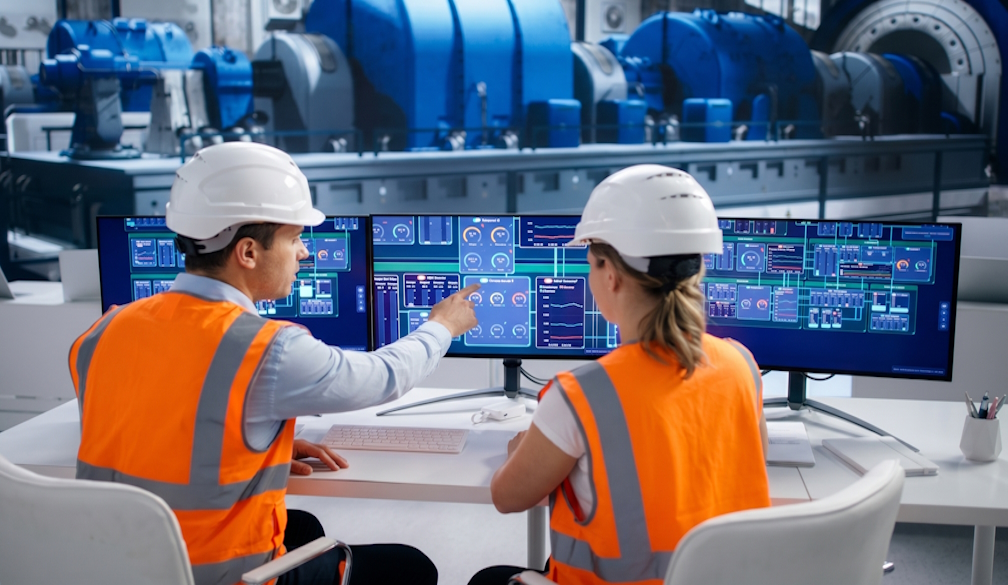
Why Industrial Automation Requires Careful Planning
Industrial facilities often rely on electrical equipment and repeatable processes that need to operate consistently throughout the working day. Businesses considering industrial automation Melbourne can start by identifying where manual intervention, inconsistent processes or limited visibility are creating operational challenges. Automation should be planned around the actual workflow, with the technology selected to support the required process rather than being introduced without a defined purpose.
Assessing an Existing Industrial Process
Electrical systems form the foundation for many automated industrial processes, so design and installation need to be considered together. Organisations searching for an electrical contractor Melbourne may need support with equipment connections, control circuits, power distribution or related electrical work. Coordinating these requirements can help ensure the electrical infrastructure is compatible with the intended automation system and the conditions in which it will operate.
Automation for Repetitive Operations
An effective automation project normally begins with an assessment of the existing process. Equipment, inputs, outputs, operator interactions and control points can all influence the final design. Mapping the sequence of operations helps identify where sensors or programmable controls may be useful and where human intervention still needs to remain part of the process.
Controls, Sensors and Equipment Integration
Repetitive tasks are often areas where automation can provide practical value. A controlled sequence can help equipment perform the same defined action according to programmed conditions rather than relying entirely on manual operation. The specific solution will depend on the process, machinery and required level of control, so the system should be designed around measurable operational requirements.
Choosing Industrial Automation Melbourne Services
Sensors and control devices can provide information that allows an automated system to respond to changing conditions. Depending on the application, these inputs may relate to position, movement, timing or other process states. Integration needs to be carefully tested so that the control logic responds correctly to each input and produces the intended output. Businesses comparing industrial automation Melbourne should therefore consider system integration as well as individual components.
Electrical Infrastructure and Automation
Industrial automation also depends on reliable electrical infrastructure. Power supply, control wiring, protection, isolation and equipment compatibility should be addressed during planning. A system may perform poorly if the supporting electrical installation is not suitable for the operating environment. Coordinating automation and electrical requirements from the beginning can reduce avoidable installation and commissioning issues.
Working With an Electrical Contractor
Choosing an electrical contractor Melbourne involves considering the nature of the work, the industrial environment and the relationship between electrical services and automated equipment. Clear communication about the existing installation and the intended outcome can help define the scope accurately. An electrical professional can also identify practical requirements that may not be obvious when automation is considered separately from the broader electrical system.
Safety, Testing and Commissioning
Testing and commissioning are important stages because automated equipment needs to respond correctly under normal and abnormal conditions. Inputs, outputs, control sequences and safety-related functions should be checked before the system is placed into routine operation. Documentation and clear operating procedures can also help staff understand how the equipment is intended to function and what action is required if an issue occurs.
Maintenance and Future Modifications
Maintenance should be considered before a system is commissioned rather than after a fault develops. Inspection of electrical connections, control components and associated equipment can help identify changes in performance. Maintenance requirements will vary according to the installation, operating conditions and equipment, so businesses should establish an approach that reflects the actual system.
Automation projects may also need to accommodate future changes. Production requirements, equipment upgrades or changes to a facility layout can affect the original control strategy. Allowing for sensible modifications can make future work easier and reduce the need to redesign an entire system. This is particularly relevant where businesses expect their processes to develop over time.
For businesses assessing industrial automation Melbourne, a successful project depends on understanding the process, selecting suitable controls and ensuring the electrical infrastructure supports the installation. The role of a qualified electrical contractor Melbourne can be equally important where automation and electrical requirements overlap. CW Elec Automation can help businesses consider these elements as part of an integrated industrial automation and electrical approach.
Coordinating Automation With Electrical Requirements
Automation and electrical work are closely connected in many industrial facilities. Control equipment needs an appropriate power supply, protection and wiring arrangement, while the surrounding installation must suit the operating environment. Early coordination can make commissioning more straightforward and provide a clearer basis for future servicing. It also allows the project scope to account for both the automated process and the infrastructure needed to support it.

 Hashtag.net.au


