

Understanding K1042 Steel and Its Industrial Applications
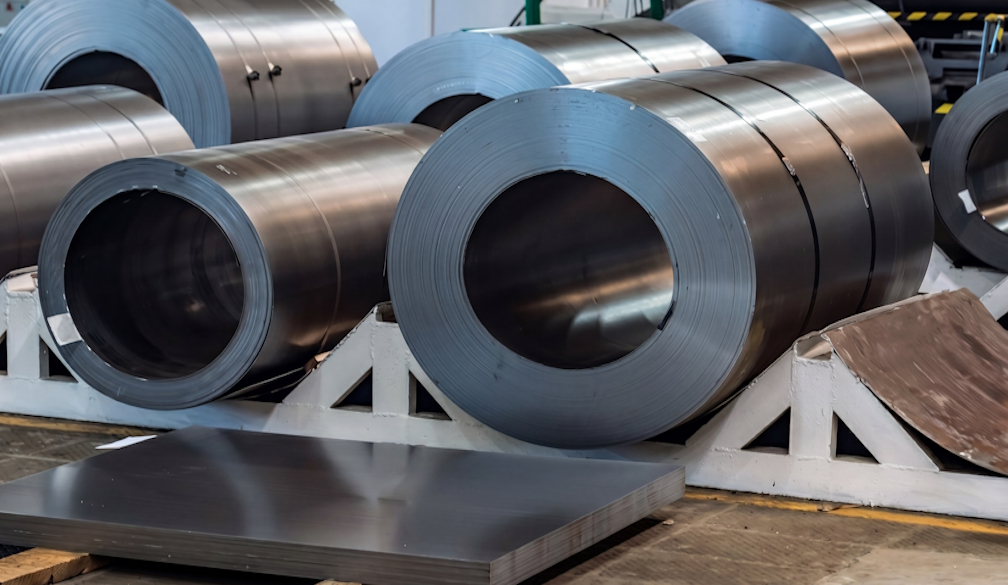
High-performance K1042 steel is widely recognised in manufacturing, engineering, and industrial sectors for its strength, versatility, and suitability for a variety of machining and fabrication applications. Medium carbon steels such as K1042 are commonly selected when projects require a balance of toughness, wear resistance, and machinability. These characteristics make the material a practical choice for components that must withstand demanding operating conditions while maintaining reliable performance.
As industries continue to seek durable materials capable of meeting increasingly complex requirements, medium carbon steel grades remain important across numerous applications. Understanding the benefits and uses of K1042 steel can help manufacturers and engineers make informed material selection decisions.
What Is K1042 Steel?
K1042 is a medium carbon steel grade that contains a higher carbon content than many general-purpose mild steels. This composition provides improved strength and hardness while maintaining reasonable machinability and fabrication characteristics.
Because of its balanced mechanical properties, K1042 is commonly used for components that require greater durability than standard structural steels can provide. The material can often be heat treated to further enhance its performance characteristics depending on application requirements.
Its versatility has contributed to widespread use across multiple industrial sectors.
Why Material Selection Matters
Selecting the right material is a critical step in any engineering or manufacturing project. The properties of the chosen material directly influence product performance, service life, maintenance requirements, and overall reliability.
Materials used in demanding environments must be capable of handling operational stresses while maintaining structural integrity. K1042 steel offers a combination of strength and toughness that makes it suitable for many industrial applications.
Proper material selection helps ensure equipment performs effectively throughout its intended lifespan.
Applications in Manufacturing
Manufacturing facilities frequently utilise medium carbon steels when producing machinery components, industrial equipment, and fabricated products. K1042 steel is often chosen for parts that require greater strength than standard mild steel alternatives.
Its mechanical properties make it suitable for a range of precision-machined components and fabricated structures. Manufacturers value materials that provide reliable performance while supporting efficient production processes.
The adaptability of K1042 contributes to its popularity within manufacturing environments.
Supporting Engineering Projects
Engineering applications often involve equipment and structures that operate under significant loads and mechanical stresses. Material performance becomes particularly important when reliability and safety are key priorities.
K1042 steel provides characteristics that support these requirements, making it useful in applications where strength and durability are essential. Engineers frequently evaluate material properties carefully to ensure they align with project objectives.
Reliable materials help contribute to stronger and more dependable engineering outcomes.
The Benefits of Medium Carbon Steel
Medium carbon steels occupy an important position between low-carbon and high-carbon materials. They typically provide improved strength and wear resistance compared to mild steel while remaining easier to machine than some higher-carbon alternatives.
This balance makes them suitable for a wide variety of industrial applications. Their versatility allows manufacturers to achieve performance objectives without introducing unnecessary complexity into production processes.
Many industries value this combination of practicality and performance.
Machinability and Fabrication Advantages
Efficient machining and fabrication are important considerations in manufacturing operations. Materials that can be processed effectively help improve productivity and reduce production costs.
K1042 steel offers favourable machining characteristics that support precision manufacturing. It can be cut, shaped, and fabricated into components that meet detailed engineering specifications.
This capability contributes to greater flexibility during production and design activities.
Applications Requiring Wear Resistance
Industrial components often experience friction, impact, and mechanical stress during operation. Materials used in these environments must be capable of resisting wear while maintaining structural integrity.
K1042 steel is commonly selected for applications where moderate wear resistance is required. Its mechanical properties help support reliable performance under demanding operating conditions.
Improved durability contributes to longer service life and reduced maintenance requirements.
Heat Treatment and Performance Enhancement
One of the advantages of medium carbon steel grades is their ability to respond effectively to heat treatment processes. Heat treatment can improve hardness, strength, and wear resistance depending on the specific requirements of the application.
This flexibility allows manufacturers to tailor material performance to suit different operational environments. Enhanced properties help support a broader range of industrial uses.
The ability to modify performance characteristics adds to the versatility of the material.
The Importance of Quality Steel Supply
Consistent material quality is essential for achieving reliable manufacturing and engineering outcomes. Variations in composition or performance can affect product quality and operational reliability.
Working with reputable steel suppliers helps ensure materials meet required specifications and industry standards. Reliable supply chains support efficient production while reducing risks associated with material inconsistencies.
Quality materials form the foundation of successful industrial projects.
The Future of Engineering Materials
As manufacturing technologies continue to advance, demand for high-performance materials is expected to grow. Engineers and manufacturers increasingly require materials that balance strength, durability, efficiency, and cost-effectiveness.
Medium carbon steels such as K1042 are likely to remain important because of their proven performance across a wide range of applications. Ongoing advancements in production processes will continue to support their relevance in modern industry.
These materials will remain valuable assets for future engineering and manufacturing projects.
Conclusion
K1042 steel provides a versatile combination of strength, machinability, durability, and adaptability that makes it suitable for numerous industrial applications. Its ability to support manufacturing, engineering, and fabrication activities has made it a trusted material across many sectors. By selecting quality steel products and applying them appropriately, businesses can improve performance, reliability, and long-term operational outcomes.
For manufacturers and engineers seeking dependable materials for demanding applications, K1042 steel continues to offer practical and proven advantages.

 Hashtag.net.au


