

How Condition Based Monitoring Improves Reliability in Industrial Equipment
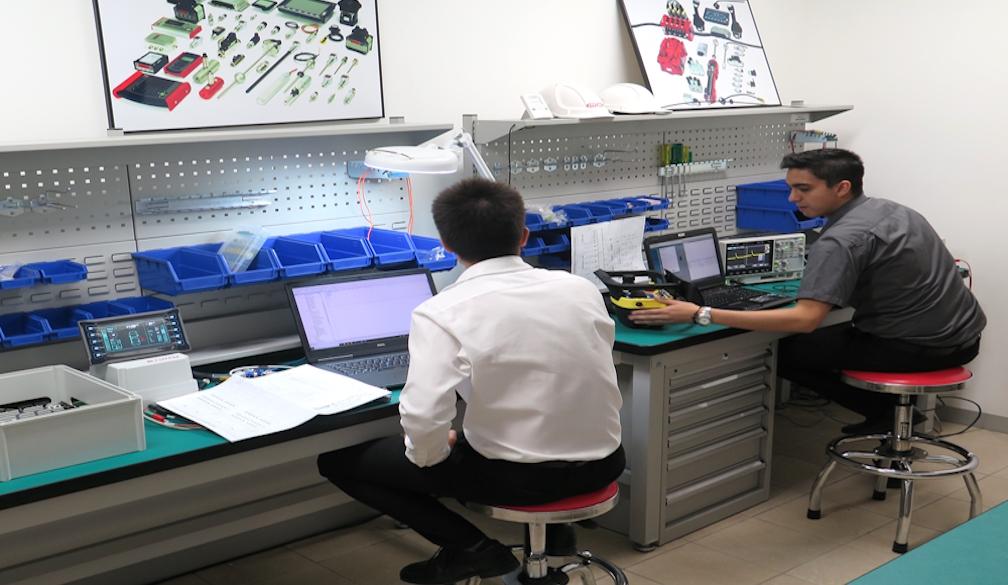
Modern industrial operations rely on complex machinery and systems that must operate continuously under demanding conditions. From manufacturing facilities to energy plants and hydraulic systems, equipment performance plays a critical role in maintaining productivity. Unexpected equipment failures can lead to costly downtime, production delays, and safety risks. To address these challenges, many industries implement condition based monitoring strategies that track equipment health and detect potential issues before failures occur.
Industrial organisations increasingly adopt condition monitoring technologies to observe machine performance in real time. These technologies provide valuable data that helps maintenance teams understand the operating condition of equipment. By analysing this information, companies can implement effective condition monitoring solutions that improve reliability and extend equipment lifespan.
Understanding the Concept of Condition Based Monitoring
Condition monitoring is a maintenance approach that focuses on monitoring the actual condition of equipment rather than relying on fixed maintenance schedules. Instead of servicing machines at predetermined intervals, this method uses sensor data and diagnostic tools to determine when maintenance is truly necessary.
Sensors installed on equipment measure parameters such as vibration, temperature, pressure, fluid contamination, and noise levels. These measurements provide insights into the health of the machine.
If abnormal readings are detected, maintenance teams can take corrective action before the equipment fails.
This proactive approach helps reduce unexpected downtime and ensures that machinery operates efficiently.
Why Industrial Equipment Requires Continuous Monitoring
Industrial equipment often operates in demanding environments where heavy loads, high temperatures, and continuous operation place significant stress on components.
Over time, wear and tear can lead to issues such as bearing failure, fluid contamination, overheating, or mechanical imbalance.
Without monitoring systems in place, these problems may go unnoticed until the equipment stops functioning.
Condition monitoring systems help identify early warning signs of failure, allowing operators to intervene before damage becomes severe.
Early detection reduces repair costs and prevents sudden production interruptions.
Key Technologies Used in Condition Monitoring
Condition monitoring systems use a variety of technologies to measure equipment performance. Vibration analysis is one of the most widely used techniques because it can detect mechanical imbalances or bearing damage.
Temperature monitoring helps identify overheating components that may indicate lubrication problems or excessive friction.
Fluid analysis is commonly used in hydraulic and lubrication systems to detect contamination or degradation in fluids.
Pressure monitoring ensures that pumps and hydraulic systems operate within safe limits.
These technologies work together to provide a comprehensive view of equipment health.
Applications in Hydraulic and Fluid Power Systems
Hydraulic systems are widely used in industrial machinery, manufacturing equipment, and construction machinery. These systems rely on pressurised fluid to generate force and movement.
Condition based monitoring is particularly valuable in hydraulic systems because it helps detect issues such as fluid contamination, pressure fluctuations, and pump wear.
Sensors can monitor hydraulic fluid quality and detect particles that may indicate internal component wear.
By monitoring hydraulic system performance, maintenance teams can prevent failures that could damage pumps, valves, or actuators.
Maintaining hydraulic system health helps ensure reliable operation in demanding environments.
Benefits of Predictive Maintenance Strategies
Condition based monitoring supports predictive maintenance, which focuses on predicting equipment failures before they occur.
Predictive maintenance allows maintenance teams to schedule repairs at the most convenient time, reducing disruption to production.
Instead of replacing components prematurely or waiting for failures, maintenance activities are based on actual equipment condition.
This approach reduces maintenance costs, improves equipment availability, and extends machine lifespan.
Predictive maintenance also improves resource planning because maintenance teams can allocate time and materials more effectively.
Enhancing Operational Efficiency
Industrial productivity depends on the ability to keep equipment running efficiently. Condition monitoring systems help achieve this by providing continuous insight into equipment performance.
Operators can track system performance trends and identify potential inefficiencies before they impact production.
For example, abnormal vibration patterns may indicate that a machine is operating inefficiently or under stress.
By addressing these issues early, companies can maintain optimal equipment performance.
Improved operational efficiency leads to higher productivity and reduced operational costs.
Improving Safety in Industrial Environments
Safety is a critical concern in industries that operate heavy machinery and high-pressure systems. Equipment failures can pose risks to workers and surrounding infrastructure.
Condition based monitoring systems help reduce these risks by detecting potential problems before they lead to dangerous situations.
For example, monitoring systems can identify overheating components that could lead to fires or mechanical failures.
By providing early warnings, these systems allow operators to take preventive action and maintain safe working environments.
Integration with Modern Industrial Automation
Modern condition monitoring systems are often integrated with digital automation platforms and industrial control systems.
These platforms allow equipment data to be collected, analysed, and visualised in real time.
Operators can monitor machine performance remotely and receive alerts when abnormal conditions occur.
Advanced analytics and machine learning technologies are increasingly used to analyse equipment data and predict failures more accurately.
This integration supports the development of smarter and more efficient industrial systems.
Reducing Maintenance Costs and Downtime
Unexpected equipment failures can be extremely costly for industrial operations. Downtime not only disrupts production but also requires emergency repairs and replacement parts.
Condition based monitoring helps minimise these risks by allowing maintenance teams to detect problems early.
By addressing issues before they escalate, companies can reduce repair costs and avoid sudden production interruptions.
Planned maintenance also ensures that spare parts and technicians are available when needed.
This proactive approach leads to more efficient maintenance management.
Supporting Long-Term Equipment Reliability
Condition based monitoring plays a vital role in maintaining the reliability and performance of industrial equipment. By continuously monitoring machine health, industries can detect potential issues early and take corrective action before failures occur.
This proactive maintenance approach helps extend equipment lifespan, improve productivity, and maintain safe operating conditions.
As industries continue to adopt advanced monitoring technologies, condition based monitoring will remain a key strategy for ensuring reliable and efficient industrial operations.

 Hashtag.net.au


